Understanding Jueteng and Its Impact on Society
The gambling scene is diverse and widespread, yet some types capture more attention due to their socio-economic implications. One such form is jueteng, an illegal numbers game that has been widespread in the Philippines for decades. It’s a grassroots lottery system, one that thrives within communities despite its illegality. In exploring jueteng, it becomes clear why this activity continues to thrive, and how it impacts the lives of many.
What is Jueteng?
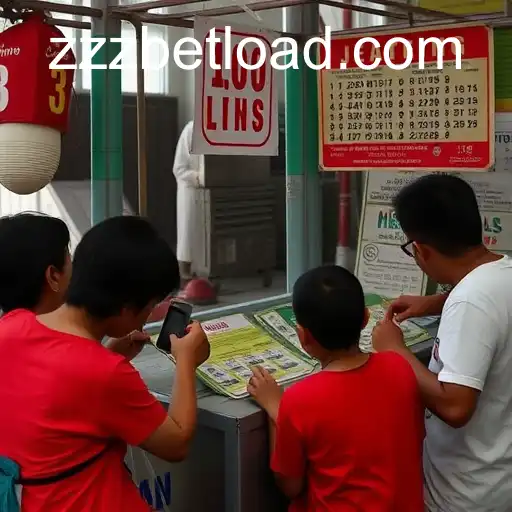
Jueteng is a numbers game deeply rooted in Filipino culture, particularly prevalent in rural areas. The game operates through a simple mechanism: bettors choose two numbers between 1 and 37, and these numbers are then drawn at random. If their numbers match those drawn, they win a prize. The allure of jueteng lies not just in its simplicity but in its accessibility. Unlike state-sanctioned games, jueteng has no formal infrastructure, allowing it to penetrate even the most remote barangays with ease.
Popularity and Persistence
The popularity of jueteng can primarily be attributed to the socioeconomic conditions in many parts of the Philippines. In areas where poverty is rampant and economic opportunities scarce, jueteng offers a tantalizing promise of sudden wealth. For many, it’s a form of entertainment, a routine part of their daily lives, and even a social activity that fosters community ties.
Moreover, the persistence of jueteng is often attributed to the lack of stringent law enforcement. Despite being illegal, the game continues to flourish with the alleged complicity of some local officials and law enforcement officers. These entities sometimes turn a blind eye in exchange for a share of the profits, perpetuating a cycle of corruption.
Economic Implications
Jueteng’s economic implications are multifaceted. On one hand, it provides livelihood opportunities for thousands, from the kubradors (bet collectors) to the cobradores (collectors of bets from the kubradors), generating a flow of cash within communities. It's a source of income for those unemployed, underemployed, or looking to augment low wages.
On the other hand, jueteng can exacerbate financial instability for individuals. It can encourage excessive gambling and financial imprudence, where participants wager money that may otherwise be necessary for essentials like food and education. The economic drain on a household can be significant, leading to broader societal problems associated with indebtedness and economic strain.
Social Dynamics and Cultural Impact
The dynamics of jueteng intertwine deeply with Filipino culture, affecting social constructs and relationships. It is a game that transcends age, gender, and social status, though it predominantly appeals to lower-income groups. This has often made it a contentious issue, sparking debates about the cultural versus moral implications of tolerating such practices.
Jueteng often operates beyond the reach of government regulation, leading to various underground networks that have, over time, rooted themselves into the societal fabric. These networks can create a parallel socio-economic structure where some find temporary relief from economic woes, but many find themselves trapped in cycles of dependency.
Efforts for Legalization and Regulation
Throughout the years, various efforts have been made to tackle the flourishing business of jueteng. Some lawmakers and advocates propose legalization as a pragmatic approach, potentially allowing for regulation, taxation, and control. Proponents of legalization argue that it would bring the game under government oversight, eliminate corrupt practices, and generate revenue for public services.
Alternatively, some suggest strengthening state-run lotteries such as the Philippine Charity Sweepstakes Office's (PCSO) small-town lottery (STL) to curb illegal gambling's appeal. By improving their credibility and reach, these entities could mitigate jueteng's dominance over its target demographics.
The Role of Technology and Digital Platforms
In recent years, technology has begun to influence how gambling is conducted, including jueteng. Digital platforms are not overtly supporting illegal activities, but some platforms, like zzzbet, have been mentioned in various discussions regarding gambling trends and habits. The advent of mobile gambling apps could potentially drive traditional bettors to digital alternatives, though the legality remains a major hurdle.
The shift to online betting and games may reshape the gambling landscape in the Philippines, posing regulatory challenges and potential opportunities. As more gamblers turn to digital domains, policymakers are tasked with adapting to rapidly evolving technologies and ensuring legal measures keep pace with these advancements.
The Future of Jueteng
The future of jueteng remains uncertain, hovering between cultural enduring practice and a source of continuous societal struggle. As legislation advances and digital platforms evolve, the ongoing debate about legalization, regulation, and cultural resistance continues to unfold.
Conclusively, understanding jueteng requires a nuanced perspective, one that considers the economic motivations and cultural underpinnings that perpetuate its existence. Whether through regulatory measures or cultural adaptation, the dialogue surrounding jueteng offers critical insights into broader socio-economic conditions in the Philippines.